What to Wear on a Boat Tour in Florida
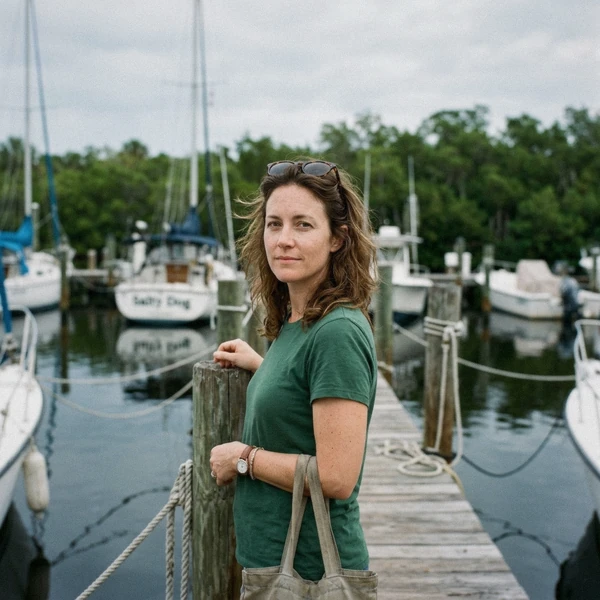
Everything anyone needs to know about what to wear on a boat tour in Florida fits in one sentence: quick-dry layers, a hat you can secure, sunglasses on a strap, and shoes that can get wet. The interesting part is why, because the mistakes are predictable. Hats go overboard at speed, jeans stay wet for two hours, February bites once you are moving, and the Gulf burns you from underneath. Here is the season-by-season version for a two-hour trip off Anna Maria Island, as of July 2026.
Quick answer
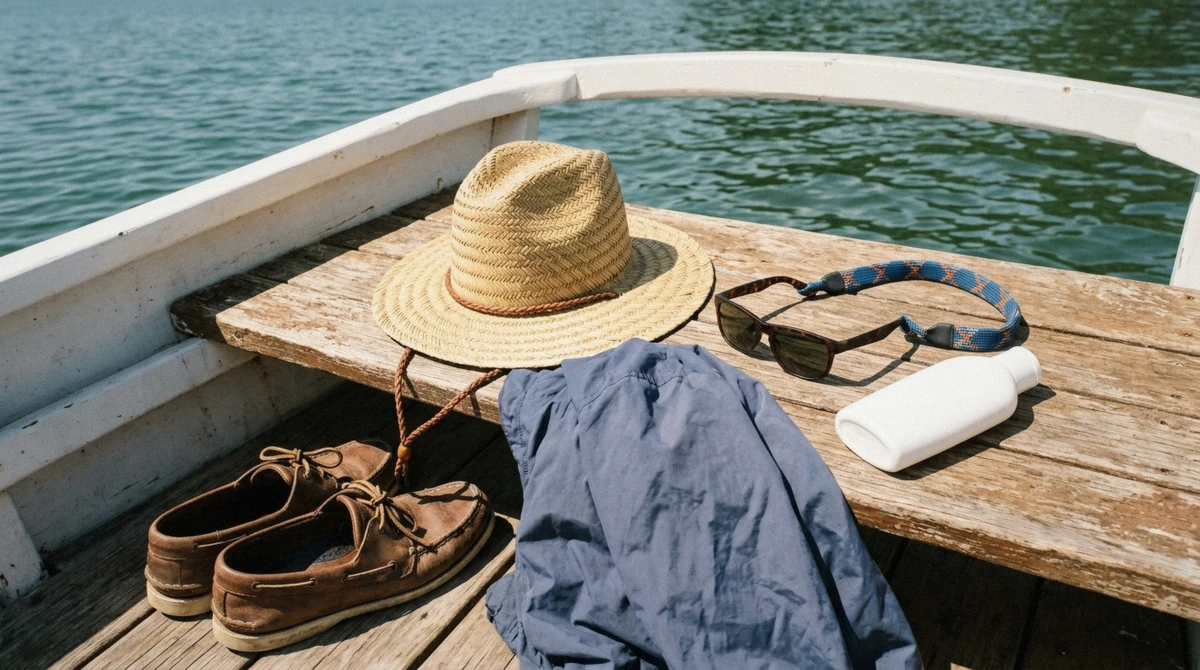
Wear quick-dry clothing, a hat with a chin cord, polarised sunglasses on a retaining strap and shoes you do not mind soaking. Add a light jacket between November and April, when the water sits at 18 to 23°C and the wind on a moving deck feels ten degrees cooler than the car park. Skip jeans entirely: they stay wet for the whole trip.
Key takeaways
- Layers, not outfits: it is warm at the dock and cool at twenty knots
- Hat with a cord and sunglasses with a strap, or you will lose both
- Sunscreen goes on before boarding, including under your chin and nose
- Light jacket from November through April, water at 18 to 23°C
- Nothing is sold on board: water, snacks and cash for the crew travel with you
- Kayak trip only: you will get wet, so a waterproof phone case or leave it in the car
The Short Answer
A two-hour boat off this coast is not an expedition. It is a warm bench, a lot of sun and twenty minutes of wind at speed, twice. Dress for the wind rather than the car park and you will be comfortable in any month.
That means light quick-dry fabric that shrugs off spray, a hat that cannot leave your head, and eye protection you will not mourn if it goes over the rail. Polarised lenses are a genuine upgrade rather than a fashion note: they cut the surface glare that hides a dorsal fin at distance, and they make rays and turtles visible in shallow water that otherwise reads as blank green.
The single worst choice is denim. Jeans take spray, hold it, and stay cold and heavy for the rest of the trip, and there is nowhere on a small boat to change.
Season by Season on This Coast
Sea temperature and air temperature both matter, and the second one is not what your phone says at the dock. Add wind chill at speed.
| Season | Sea temp | What to wear | The thing people forget |
|---|---|---|---|
| December to February | 18 to 21°C | Long sleeves, light fleece or windproof jacket, long trousers | Something over the ears on a morning run |
| March to May | 20 to 25°C | Shorts, T-shirt, jacket in the bag | The jacket. March mornings are cold at speed |
| June to August | 28 to 30°C | Lightest quick-dry clothing, sun shirt with sleeves | A rain layer. Afternoon storms arrive fast |
| September to November | 23 to 29°C | Shorts and a T-shirt, light layer for evening trips | Sunset comes early by November, and it cools quickly |
Why the jacket keeps surprising people
February water sits at about 18°C and February air is pleasant. Then the boat runs at twenty knots across it and the apparent temperature drops by something like ten degrees. Every operator on this coast recommends a light jacket in spring and autumn for exactly this reason, and every winter there are passengers in shorts and a T-shirt sitting in the lee of the console with their arms folded.
A sun shirt with long sleeves solves both problems at once in summer: cover from the sun going out, and a layer against wind coming back.
The month you are travelling in decides the layer, and the month-by-month water and rain numbers are worth two minutes before you pack.
The Packing Checklist
Everything here fits in one small dry bag or a tote you can wedge under a bench.
- Polarised sunglasses with a retaining strap, because anything that goes over the rail is gone
- A hat with a chin cord, or a cap you are prepared to lose
- Sunscreen applied before boarding, reef-safe if you can, including under the chin and nose
- A light jacket or windproof layer from November through April
- Quick-dry clothing, and never jeans
- Shoes that can get wet: boat shoes, sandals with a heel strap, or old trainers
- Water, and any food or drink you want for two hours
- Cash for the crew, since there is no card machine on the water
- A phone in a waterproof case, or in a zipped bag if you plan to shoot photos
- Seasickness remedy taken 30 to 60 minutes before departure if you are prone to it
What not to bring
Anything you cannot afford to drop in salt water. Hard-shell suitcases and oversized beach bags, because deck space is bench space and there is nowhere to put them. Open-crown sun hats with no cord, which is the item most commonly lost on these trips.
Glass, on the private charters where a cooler is provided. And more layers than you will use, since there is no cabin to leave them in and everything you carry lives on your lap.
What Changes on the Kayak Trip
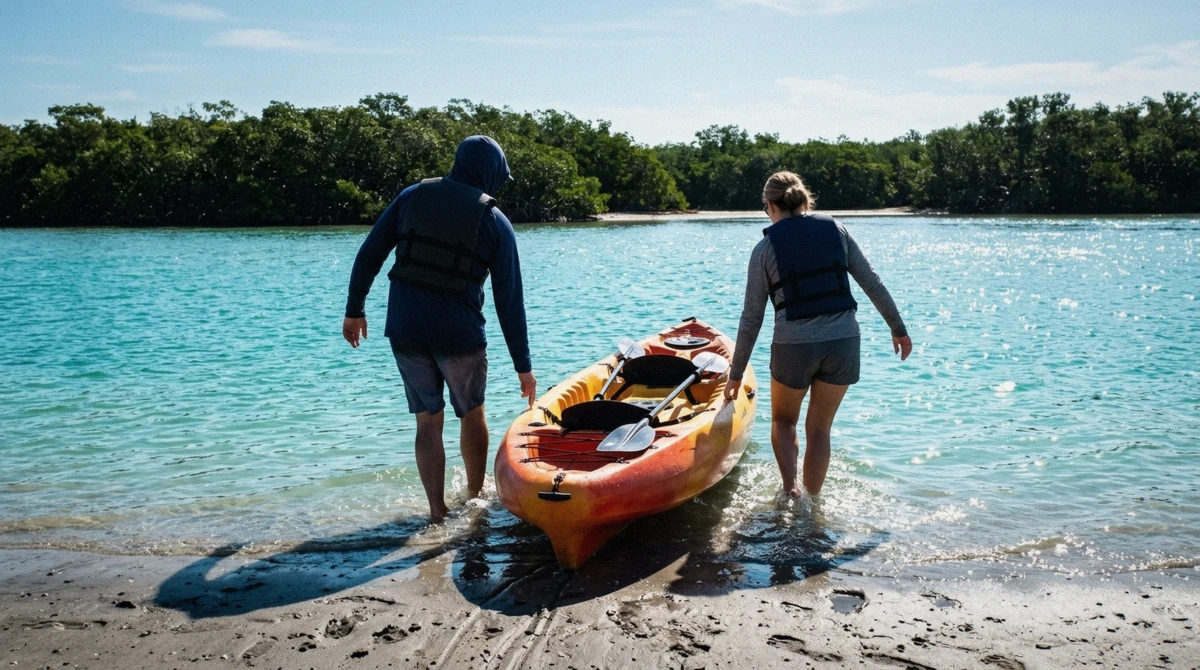
The paddle is a different clothing problem, because you will get wet rather than might get wet. Spray off the paddle, drips down the shaft and a soaked seat are all normal on a two-hour trip.
Quick-dry everything, then. Shoes that can be soaked and will not come off in soft mud. A hat that survives being knocked. Sunscreen before launch, because reapplying with wet hands mid-paddle does not work. A waterproof case if the phone comes at all, though the guide shoots photos and video and hands them over afterwards at no charge, which is a decent argument for leaving it in the car.
Children under 5 cannot join the kayak trip, and everyone else should expect to finish it damp. The full picture of the paddle covers the rest of the logistics.
Sun, Glare and Motion
The Gulf burns you from below
Open water reflects light upward, which is why people come off these boats with burnt chins, burnt nostrils and a stripe under the jaw where no sunscreen went. Apply before you board, cover the underside of your face, and reapply at the halfway point rather than trying to do it in wind on a moving deck.
A long-sleeved sun shirt beats reapplication in July. The boats carry water and shade varies by vessel: the daytime shared boat has a roof over most of the deck, the sunset boat splits seating between sun and shade, and the kayak has none at all.
Seasickness, realistically
Two hours in sheltered back bay is mild, and most passengers feel nothing. The run out into the Gulf is where an afternoon sea breeze can put a short chop on the water and remind you that a small boat moves in three directions at once.
If you are prone to it, take the remedy 30 to 60 minutes before departure rather than when the first wave of it arrives, book a morning slot when the water is flattest, and sit toward the middle of the boat where motion is least. Ginger works for some people; nobody needs to be a hero about it, and a $57.50 ticket is not worth two hours of misery.
If the swell is the part that worries you, the sheltered paddle is the gentler option and the boats and kayaks running these two-hour trips all stay within the bay for at least half of the trip.
Dress for Your Trip
If You are on a morning boat in July
Sun shirt with sleeves, hat with a cord, sunscreen before boarding, plenty of water
If You are on a January or February departure
Long trousers, fleece or windproof layer, something over the ears
If You are on an evening trip in November or December
Layers. It leaves in daylight and comes back in the dark and it cools fast
If You are on the kayak
Quick-dry everything, shoes that stay on in mud, phone in a case or left behind
If You get seasick
Morning slot, remedy 30 to 60 minutes ahead, seat in the middle of the boat
If You are bringing small children
Spare dry clothes in the car, hats with cords, and snacks, since nothing is sold on board
What the Boats Provide and What You Bring
Nothing on this coast provides clothing, and only some of it provides shade. Last verified July 2026.
| Trip | Shade | Provided | You bring |
|---|---|---|---|
| Daytime shared boat | Roof over most of the deck | Water | Food, drink, sunscreen, hat, cash |
| Sunset shared boat | Seating split sun and shade | Water | Layer for the return leg, food, drink, cash |
| Private charter, Palma Sola | Bimini over the bow | Bottled water, soda, ice, cooler | Snacks, towels, cash |
| Private charter, Bradenton Beach | Partial | Bottled water | Everything else, plus the signed waiver |
| Sunset kayak | None | Kayak, paddle, safety gear, photos | Quick-dry kit, water, waterproof phone case |
The three items people wish they had brought
Ranked by how often they come up in reviews and in conversation on the dock.
A jacket, between November and April. The water sits at 18 to 23°C in those months, the boat runs at twenty knots, and passengers in shorts spend the return leg behind the console.
A hat with a chin cord. Reviewers on these boats have written the warning themselves: hats blow off, and there is no going back for one.
Cash. Crews work for tips, there is no card machine on the water, and the nearest cash machine is not on the dock. Twenty dollars in a pocket solves it. What the two-hour trips include is listed per boat, and none of them includes a tip.
If you end up skipping the boat altogether, the kit list shrinks to sunglasses and patience: the free shore spots need nothing else.
Questions About What to Wear
Is it okay to wear jeans on a boat?
No, and it is the most common mistake. Denim takes spray, holds it and stays cold and heavy for the whole trip, with nowhere to change. Quick-dry shorts or light trousers do the same job and dry in minutes.
What shoes should you wear on a boat tour?
Anything that can get wet and stays on your foot: boat shoes, sandals with a heel strap, or old trainers. Avoid flip-flops on the kayak trip, where soft mud pulls them off, and avoid anything you would be upset to soak in salt water.
Do you need a jacket in Florida?
From November through April, yes. Sea temperature sits between 18 and 23°C in those months and the wind on a moving deck feels around ten degrees cooler than the dock. Every operator on this coast recommends a light jacket in spring and autumn.
What should you not bring on a boat?
Anything you cannot afford to lose over the side, hard-shell suitcases or large bags with no deck space to hold them, and hats without a chin cord. Glass is also unwelcome on the private charters that carry a cooler.
What do you wear on a kayak dolphin tour?
Quick-dry clothing, shoes that stay on when wet, a secured hat and sunscreen applied before launch. You will get wet. Leave the phone in the car or seal it, since the guide takes photos and video and shares them at no charge.
Should you bring your own food and water?
Yes. The crew provides water on the shared boats and nothing is sold on board, so snacks, drinks and anything else for two hours travel with you. Alcohol is allowed on the shared boats.
What about sunscreen and the reef?
Apply before boarding, cover the underside of your chin and nose because the water reflects light upward, and choose a reef-safe formula where you can. Reapplying in wind on a moving deck rarely works, which is the argument for a long-sleeved sun shirt in summer.